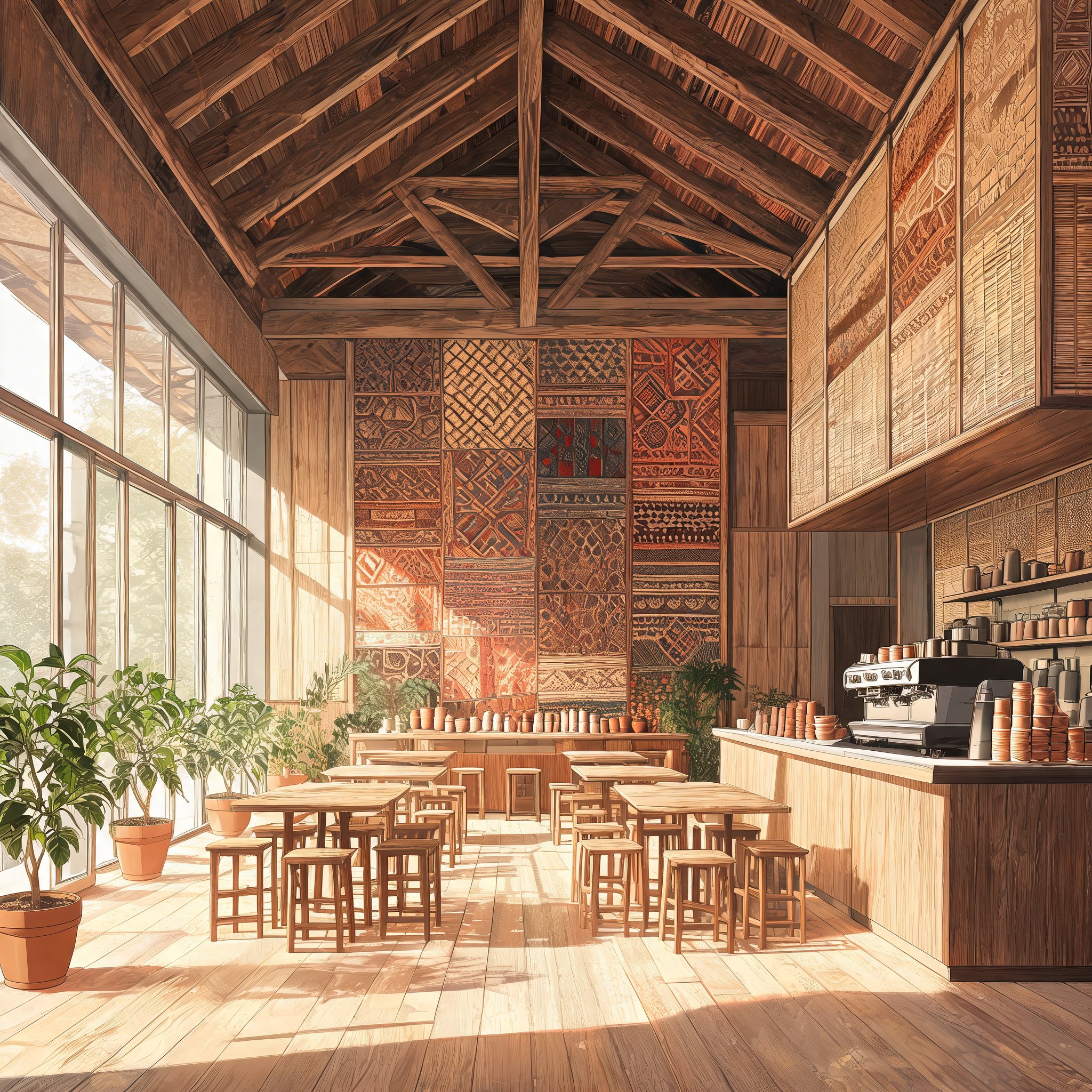
Starbucks has surpassed 6,000 coffeehouses across Asia Pacific, a milestone the chain marked with the opening of its first store in Buon Ma Thuot, in Vietnam's coffee-growing Central Highlands.
Chanda Beppu, president of Starbucks Asia Pacific, called the 6,000-store mark a meaningful moment in the company's nearly 30-year presence in the region. In comments released with the announcement, she credited the company's green apron partners and its licensing partners with bringing the Starbucks Experience to millions of customers across Asia Pacific. She added that reaching the milestone in Buon Ma Thuot, where much of Vietnam's coffee story begins, felt especially fitting.
A store built around local references
The Buon Ma Thuot coffeehouse combines contemporary Starbucks design with local cultural influences. The space reflects the journey of coffee from bean to cup and uses locally sourced materials alongside artwork inspired by traditional weaving. Architectural elements refer to the traditional Rong house, known for its towering roof and its role as a communal gathering place in parts of the Central Highlands.
Flexible formats behind the expansion
Starbucks points to smaller, more adaptable store formats as a factor in its regional growth. Modular designs allow the company to fit different spaces and customer needs, from busy transit hubs to event venues and other settings where a conventional coffeehouse would not work well. In Vietnam, a Starbucks mobile coffee truck serves customers at concerts, events and community spaces.
The 6,000-store figure covers the company's Asia Pacific footprint, which the brand now describes as close to three decades old.