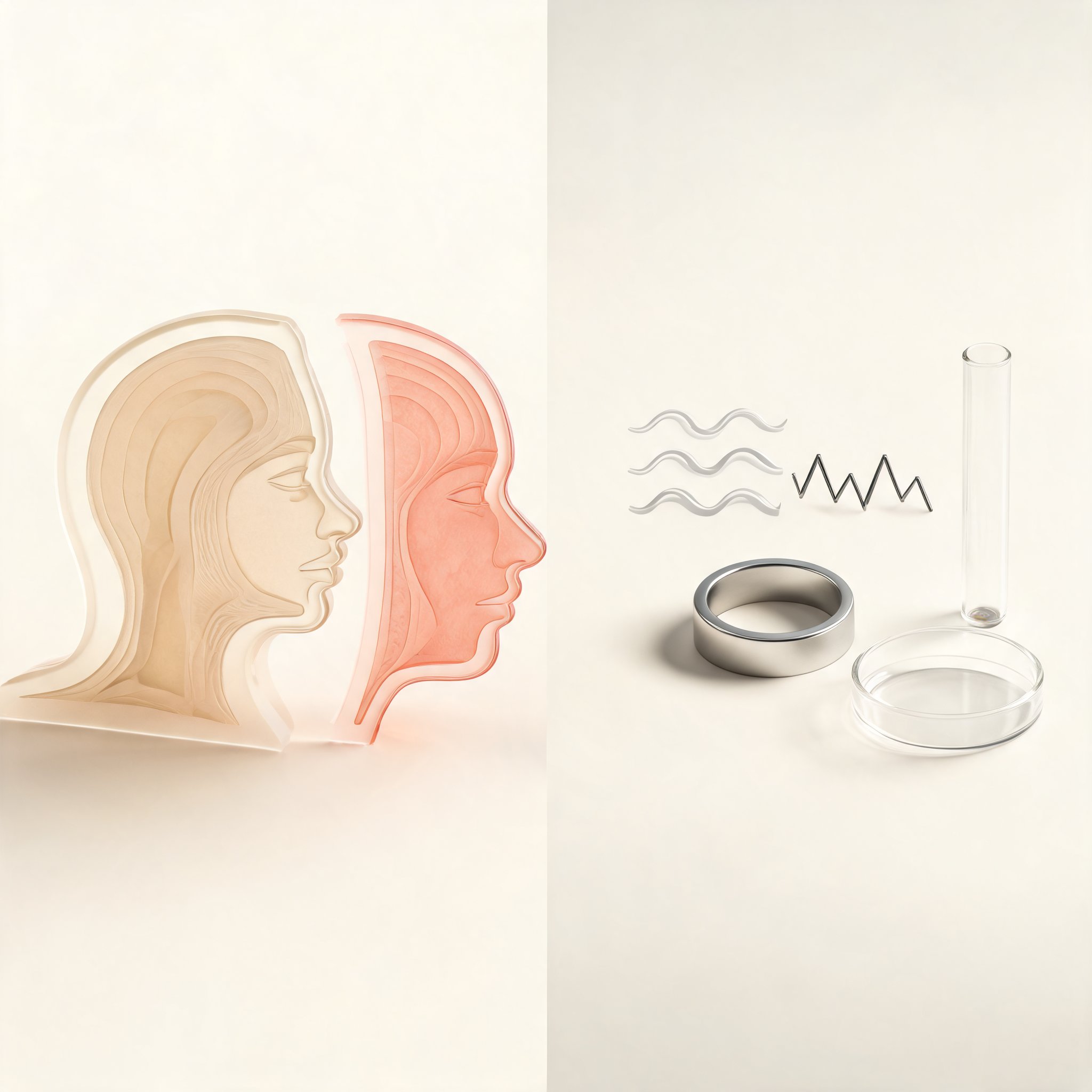
RoC Skincare is advancing a clinical research program that uses identical twins to test its Patented Clinical Retinol, adding wearable biometric tracking to standard skin assessments. The company has begun recruiting 30 pairs of adult female identical twins aged 40 and older in the United States for a 12-week phase, following a pilot that RoC says established the twin model as a workable way to study visible skin aging.
Art Pellegrino, RoC's chief scientific officer, said the pilot was designed to determine whether identical twins could provide a more precise method for studying what drives skin aging. Because twins begin with the same genetic blueprint, differences between them are less easily attributed to genetics, making lifestyle and environmental factors more visible, he said. RoC concluded that the approach could work and is now extending it.
What the pilot found
According to Pellegrino, twins in the placebo group showed similar or worse signs of aging at the end of the pilot, while those in the treatment group had improvements of 20% or more in four weeks. Those results are company-reported and relate to the pilot; the expanded study is intended to examine a broader set of questions, including how daily sleep and stress may alter skin outcomes when genetics are held constant.
The pilot did not attempt to measure how much skin aging stems from genes versus lifestyle, Pellegrino said. That is a goal of the larger study, which will look at whether habits such as sleep and stress change the picture among genetically matched participants.
Wearables enter the protocol
Participants in the expanded study are being asked to wear an Oura Ring, a wearable device that tracks health and wellness metrics throughout the day. RoC will use the device to capture variations in biometric data including sleep, stress, heart rate, heart rate variability and temperature trends. The company plans to compare each twin's lifestyle data with her sister's and with clinical skin measures.
Pellegrino said wearables are creating an opportunity to factor how people live into skin care recommendations. Since it is not possible to ensure twins have identical external influences such as sun exposure or diet, RoC is recruiting twins with similar levels of environmental damage where possible and tracking sleep and stress closely during the study. If one twin sleeps poorly or reports more stress, researchers can examine whether her skin responds differently to the regimen than her sister's, he said.
RoC is also interested in whether visible skin improvements might be associated with lower stress among participants. The study's clinical skin measures include expert grading, digital photography, corneometer readings and participant self-assessment, according to the company.
What comes next
The 12-week regimen and 30-pair enrollment are intended to produce cleaner data for a longer research program on skin span, or how long skin keeps looking its best, Pellegrino said. RoC expects results from the twin study by mid-2027. The company says findings will shape how it develops products for skin longevity and designs future clinical studies.
The research remains early. The pilot was a model test rather than a definitive measure of genetic versus lifestyle contributions, and the expanded study is limited to a focused group of US women aged 40 and older. Its findings may help RoC link lifestyle stressors with skin changes, but they will not by themselves establish that retinol causes those changes across the wider population.