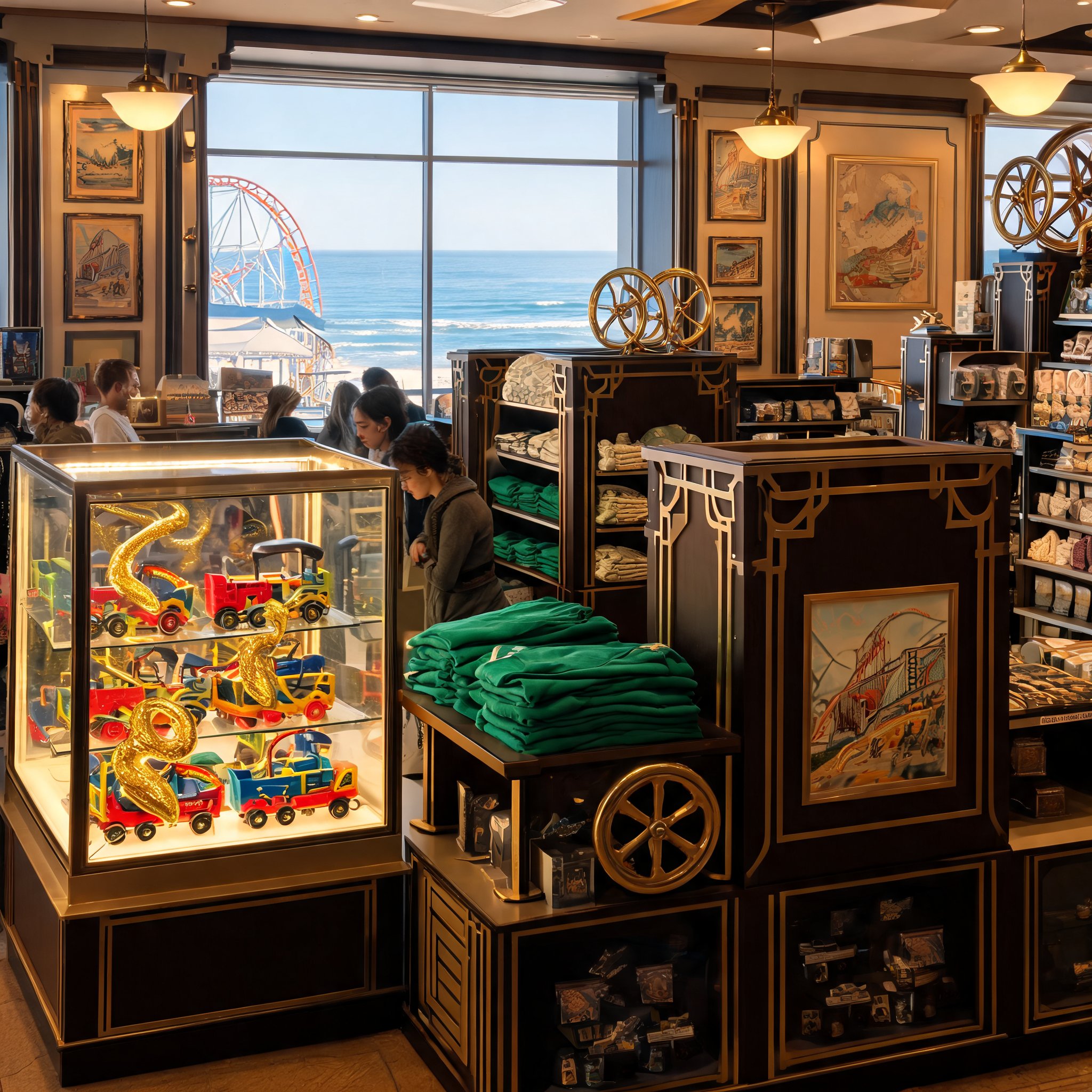
Blackpool Pleasure Beach is using merchandise to extend its visitor experience beyond rides and shows, with head of retail Damian Jackson describing a strategy built around distinct customer groups, attraction narratives and carefully edited ranges.
Jackson, who oversees stores, e-commerce, ride photography and product development, says retail is not a matter of placing the resort's logo on generic items. In an interview about the 130-year-old amusement park's retail operation, he explains that each range needs a clear reason to exist, a defined customer and an authentic link to Pleasure Beach.
One park, many shoppers
The resort serves families on first visits, school groups with limited spending money, teenagers, couples, international tourists, lifelong fans and serious coaster enthusiasts, often on the same day. Their purchasing motives differ: a family may want a traditional souvenir, while an enthusiast may seek an accurate collectable tied to a specific ride.
To manage that spread, Jackson says Pleasure Beach combines sales data with shop-floor observation, staff feedback and direct conversations with guests. The team asks whether a product would be worn away from the park, displayed with pride by an enthusiast, welcomed by a child or genuinely remind a family of its visit.
The portfolio is organised around customer missions and price points. It includes impulse purchases such as confectionery, magnets, keyrings and badges; practical items such as bottles, bags and ponchos; fashion-led apparel and accessories; children's products and plush; and premium or limited-edition pieces for collectors. Attraction-specific ranges sit alongside broader Pleasure Beach branding, licensed products and heritage collections.
Aviktas shows the attraction-led approach
Jackson cites Aviktas as an example of retail being involved early in an attraction's development. Instead of producing a set of items bearing the ride logo, the team built the range around the attraction's visual world, including its golden snake, emerald colouring, mythology and mystery. A plush snake, Aviktor, ties into the storyline.
He says the approach demonstrated demand for high-end collectables. A run of 50 models priced at £250 each sold out, which Jackson presents as evidence that authenticity, detail and a strong attraction connection can persuade some guests to invest in something special.
The creative treatment varies by attraction. ICON lends itself to a clean, contemporary, fashion-led look, while heritage rides such as the Big Dipper and Grand National draw on archive artwork, engineering detail, nostalgia and generations of memories. Jackson says materials, colours, proportions, trims, embroidery, packaging and in-store presentation all receive attention, alongside commercial questions such as target customer, expected demand, price, production quantities and lead times.
Heritage, licensing and exclusivity
Nostalgia is central because Pleasure Beach has been part of family traditions for 130 years, Jackson says. The resort uses its archive of imagery, typography, posters and architecture to create contemporary apparel, homeware and collectables, aiming to use history in a fresh way rather than make products feel old-fashioned. Playful ranges, including Mr Funshine merchandise, are also used to reach children, families and casual visitors.
For licensed brands such as Nickelodeon and Aardman, Jackson describes a three-way partnership between the park, the IP owner and approved suppliers. He says the aim is to connect licensed characters to the Pleasure Beach setting through exclusive designs, location references, personalisation or products that mark the visit, rather than stock items that shoppers could find in any online marketplace.
Guest demand has shifted toward exclusive, authentic and considered products, according to Jackson. He reports growing interest in attraction-specific merchandise, premium apparel, subtle branding, collectables, limited editions and items with a clear story, as well as goods that can be used or worn after the visit. Generic souvenirs have become less compelling, he argues, although keyrings, magnets, mugs and confectionery remain important and must evolve in design and quality.
Retail basics and the role of staff
Jackson identifies stock accuracy and availability as among the least glamorous but most critical parts of retail. A strong product cannot generate revenue if it remains in a stockroom, has not been reordered, carries the wrong price or is missing from the location where guests expect to find it. Deliveries, replenishment, signage, pricing and daily compliance checks all protect the guest experience, he says.
Pleasure Beach also uses gift wrapping and personalisation to add value and make purchases feel more significant, particularly for gifts or dedicated fans. E-commerce extends the relationship year-round, serving enthusiasts, previous visitors and customers who cannot travel to Blackpool, while providing insight into demand outside the park.
Staff are expected to act as hosts, storytellers and brand ambassadors, not simply process transactions. Jackson says retail can include entertainment, such as candy floss making, teddy building, bubble demonstrations, ride photography or personalised gifts. When the environment, products and team tell the same story, he argues, retail becomes another part of the attraction rather than an obligatory stop at the exit.